

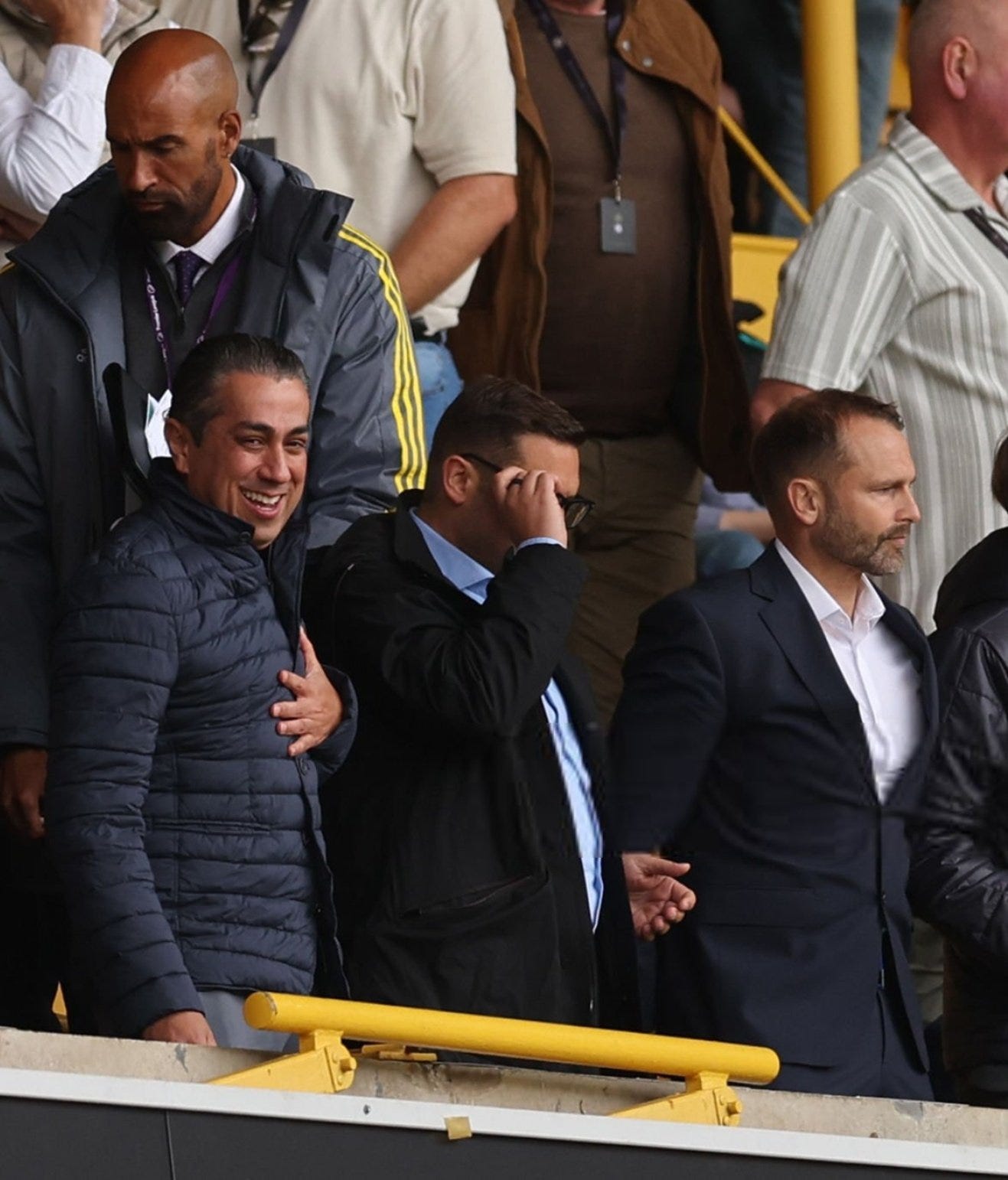
Recently, I had the opportunity to sit down with Chelsea’s Sporting Leadership Team to discuss the club’s project, raise concerns, and gain a clearer understanding of the long-term strategy. I hope this article provides insight into Chelsea’s inner workings and explains why I remain positive about where the club can go, if execution is right.
The Concerns Raised
The key concerns I highlighted were:
A youth-focused recruitment strategy leading to inconsistent performances
Inexperience across the club
Gaps within the squad
Whether the project can realistically deliver major trophies
Whether Chelsea’s ambition is to win titles or simply secure top-four finishes
Why This Strategy Exists
First, it was important to understand where this strategy comes from and why Chelsea believe it is necessary. The club recognises that there are around five European teams that are effectively impossible to compete with directly on a financial level, due to differences in overall revenue, stadium income, and state ownership - PSG, Bayern, Barca, Real Madrid and Man City.
Attempting to compete in the same way long-term would leave Chelsea vulnerable. In truth, that way of working was already showing signs of strain under Roman Abramovich. While successful in cups, Chelsea’s league form fluctuated significantly. The club last won the Premier League in 2016/17, and across the remaining seasons under Roman, Chelsea averaged a fourth-place finish, around 25 points off the title pace.
In truth, Chelsea have not yet found the right balance between the two, resulting in inconsistent performances and a significant number of dropped points from winning positions. While the youthfulness of the squad has played a role in this, it is far from the only factor. Enzo Maresca’s limited ability to influence games from the bench also contributed to these issues.
Chelsea understand that knockout competitions like the FA Cup, League Cup, or even the Champions League can be won with favourable draws and timely form. Look at the Club World Cup in the summer for example! The true litmus test, however, is the league. You cannot fluke a 38-game season. You must be consistently elite.
The Rebuild and Expectations
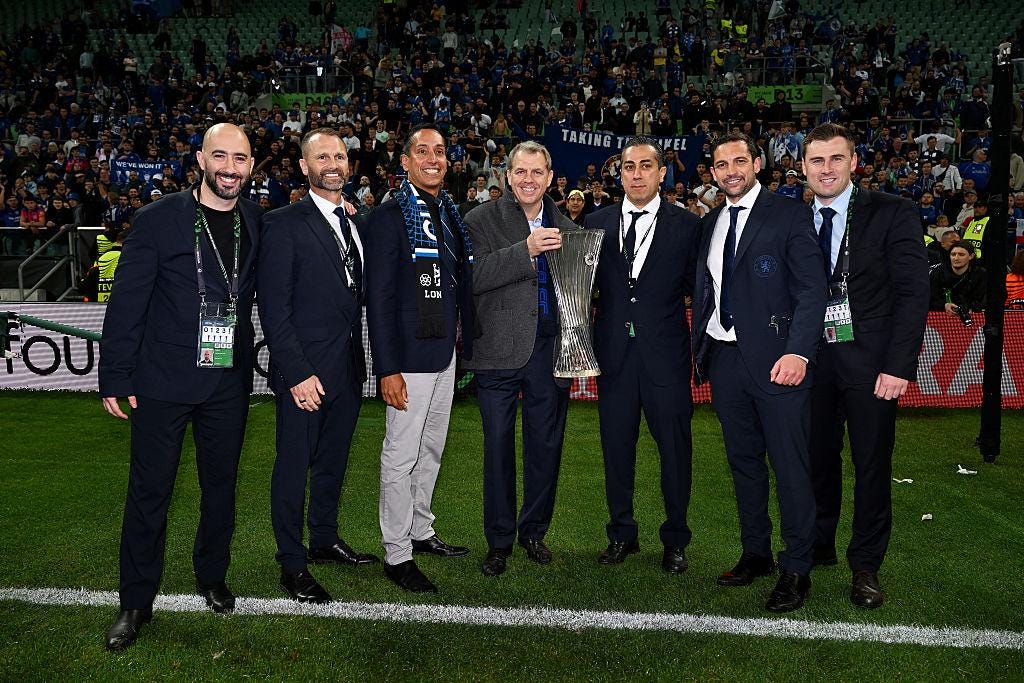
This reality drove the decision to commit to a full rebuild: lowering the average squad age, restructuring wages, and building a sustainable future, while still remaining competitive in the present.
Importantly, the minimum expectation at Chelsea has not changed. Champions League qualification every season remains the baseline. Much of the rebuilding work has now been completed, and the current squad should be capable of finishing in the top five this season and beyond.
That does not mean Chelsea will stop investing. Rather, a significant amount of groundwork has already been laid.
PSR, UEFA Constraints, and Market Freedom
It is also worth noting that Chelsea have not been operating freely in the transfer market. PSR restrictions during 2024, alongside UEFA sanctions last season, limited flexibility. Those UEFA issues have now been navigated, and upcoming changes to PSR rules should offer greater room to manoeuvre.
This should not be interpreted as a radical shift in strategy, but it will provide more freedom moving forward.
Closing the Gap and Sustaining Success
Chelsea’s next challenge is closing the gap to the teams above and then competing consistently for the Premier League and Champions League. Crucially, the club wants to sustain that level once reached, rather than spike and fall away again.
A comparison can be made with Arsenal’s recent rise, though Chelsea’s aim is to finish the job rather than fall short.
Everything Chelsea do is framed for the long-term benefit. The club does not want to mortgage its future for short-term optics. That does not mean Chelsea will never sign older players or those without resale value, but such deals must make sense holistically. There is no under-23s-only rule.
To date, under this sporting leadership, the right opportunity has not yet presented itself.
Take Antoine Semenyo as an example. A £65m fee plus wages exceeding £200k per week would significantly disrupt the wage structure without materially changing Chelsea’s performance this season. However, if in the future a player represents the missing piece in a title push, the club would not hesitate to act.
Accountability and Internal Pressure
One key takeaway from the meeting was the level of self-reflection and accountability within the club. Despite media portrayals, the sporting team is under immense pressure to deliver, but is also protected and empowered to make decisions aligned with the club’s long-term interests.
Without this structure, clubs end up making reckless win-now decisions that cause long-term damage.
Examples include signing injury-prone strikers for £125m when also signing high-potential options with Isak and Ekitike, or committing massive fees and wages to forwards who are not elite and difficult to sell. Players such as Havertz or Gyökeres on £250k per week or more restrict resale markets to only a handful of clubs worldwide.
Another thing I want to point out is they know they haven’t been perfect, they know they have made mistakes and they have processes in place to ensure the same mistakes aren’t made.
The Managerial Situation
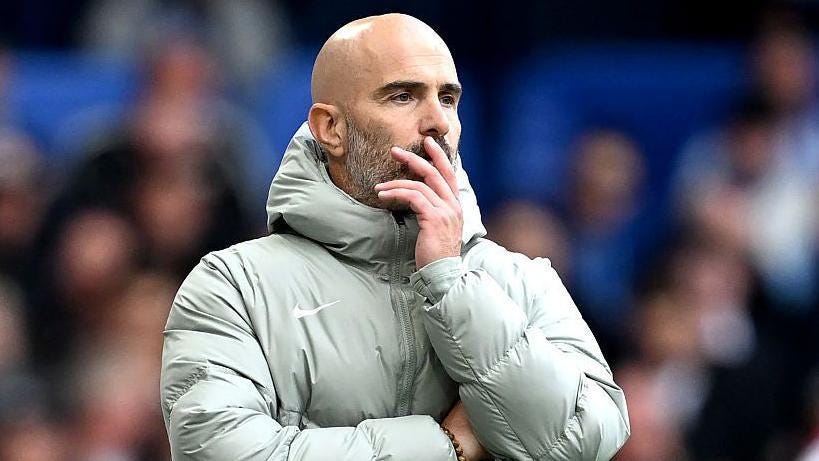
There is little value in dwelling on Maresca now that he has departed. However, it is clear that the relationship had broken down, and change was necessary.
Outside of other issues, as I stated on The Blues Feed, Chelsea should be the destination, not a stepping stone. If a manager or player is openly flirting with other clubs, they should be moved on. Full commitment is non-negotiable.
Squad Management and Medical Influence
Contrary to some reports, Chelsea categorically deny influencing team selection beyond player welfare and injury prevention. The club’s medical and performance teams, among the best in football, provide recommendations based on injury risk and conditioning.
Final decisions remain with the manager. If a player is cleared for only 45 minutes, the manager decides whether that time comes from the start or the bench.
Greater transparency around this process may have avoided fan backlash in situations such as Cole Palmer’s substitution. Had supporters known he could not complete 90 minutes, the reaction may have been different.
Recruitment and Manager Involvement
Claims that Maresca was not consulted on transfers are simply false. He approved all summer signings and was actively involved throughout the process.
While he did want a centre-back, he was unwilling to sanction departures to create space, and no suitable option emerged following the pursuit of Dean Huijsen. Liverpool found themselves in a similar position.
Chelsea’s recruitment model is a partnership. There are no manager-only or club-only signings. Both approaches fail long-term.
The New Head Coach: Liam Rosenior
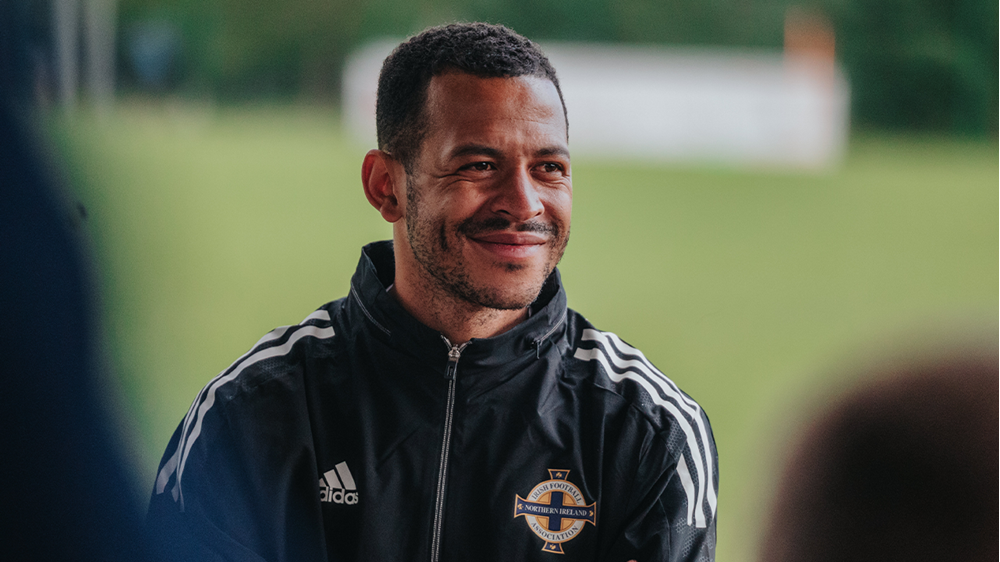
Liam is not an unknown quantity to Chelsea. The club has known him for years, and he has worked within the structure for 18 months. He has longstanding relationships within the sporting team.
He is described as hardworking, humble, intelligent, and articulate, someone the players and fans are likely to connect with. His track record shows consistent overperformance and strong player development.
Tactically, he has already impressed against elite coaches such as Luis Enrique and Oliver Glasner. With the youngest squads in Europe, it will be fascinating to see what he can achieve with improved player quality and tougher opposition.
The obvious question is whether he is ready for the pressure of the Chelsea job. Only time will tell, but from a personality and leadership standpoint, the signs are encouraging.
Transfers: What to Expect
Chelsea are expected to pursue another elite attacking option this summer, which explains the earlier enquiry for Semenyo before deciding not to proceed.
The club is also aware that it lacks physicality relative to rivals and will look to address this, without sacrificing technical quality, in upcoming windows.
Centre-back and striker remain areas of monitoring, with pathways also being considered for players already owned by the club, including Josh Acheampong, Mamadou Sarr, Aaron Anselmino, Emanuel Emegha, and Dastan Satpayev.
Final Thoughts
As mentioned at the start, I entered this process with concerns. Many of those have been addressed, and I feel more confident about Chelsea’s long-term direction. One thing is very clear to me is throughout the club, there is a passion for us to succeed and a real togetherness which we saw in the 1-1 draw with City. Every single player, coach and director all pulled together in the time of uncertainty to ensure on the field results weren’t effected.
One thing someone said to me really stuck with me as i have felt like this as a Chelsea time for a very long time. We are at WAR with every other club in the Premier League and Europe to achieve the goals we want to.`
This all said, the proof will come through execution and the results we get. Strategy alone guarantees nothing.
Hopefully, this article has provided clarity and reassurance. Let us know your thoughts on the piece, and your feelings about Chelsea’s direction, in the comments below.
Danny Windsor
A note by myself, Simon Phillips.
I was at this meeting with Danny and Luke, and one thing I will add is also contrary to belief, members of this sporting team hold a very good footballing knowledge and are VERY passionate about the club - there is no doubts around how hard they work and how obsessed they are with this club.
I have obviously not been as positive on the ownership on X over the last week or so as Danny is being here. But I did get a lot of encouragement from meeting them, as well as from reading back on the points that Danny has articulated superbly here. What I am doing is staying open to everything. I’ve never doubted their ambition, even if my emotions as a fan first can boil over sometimes. But although it seems like gloom and doom right now and I do think that fans have been right to take action and makes their voices heard, there are many things to be encouraged about. Time will tell on it all, as Danny says. For me, this summer and what happens, as I’ve written in an article this week, is CRUCIAL.
Simon Phillips
Nice article but for me it didn't really address the concerns listed at the beginning of the article. Some actual quotes would have been nice although I expect they didn't allow that. It doesn't address the concern
of whether there is an actual aim to win the PL or CL again or how we will go about it. Semenyo isn't an 'elite' attacking player for me so I don't get any warm feelings about the upcoming window. Questions around why Gittens and Garnacho being bought to sell Noni would have been useful but again they probably limited what could be asked of them.
Stadium and shirt sponsorship I assume are outside of the SDs remit so I can understand that not being mentioned.
thanks for bringing this insight guys... you guys are top!
however some of the biggest concerns regarding the 'hierarchy' have not been addressed by them and there is alot of contradiction in their responses.
- they say they want to buy high potential players and compete financially as they cant keep up with the 5 clubs mentioned above. Then why have they signed players like Gittens, Mudryk, Jorgensen, Felix, KDH, Disasi and a few others... who are avg players at best and cost us a fortune. They are neither 'high potential' nor 'bargains'. Its funny they cite financial differences between the clubs but at the same time have blown away 2bn and only have Palmer and Caicedo to show are unqualified successes. We have the most expensive squad in the history of football... surely if you want to close the gap you make better decisions both on the sporting side and the financial side. What THEY are saying is just a contradiction.
- wage structure: Its good to have one but there is no way in the world you can miss out on players like Olise, Etikite and then spend the same money (in terms of fee and wages) on more avg players. The squad is worse off and you have dug a hole financially. Will the make exceptions for players like Reece who is on high wages and our most important player?
- The market freedom and PSR issues are of their own making. Overpaying for so many players will have an impact....
- closing the gap on the top teams require that you improve the squad window by window.... they have done the exact 'OPPOSITE' of that.
- how can they say they have alignment with managers on recruitment and want to address the physicality issue when 'THEY' have made this squad! Any fan will know the physicality issue in the PL.. these guys came from PL and ignored all that. They have built a squad in such a way that the manager will be pretty much forced to play with a 10 when maybe a 3 man midfield is a better option for the league. Poch asked for physicality in the midfield and he was shown the door for questioning them.
- another thing to add... they talk a great deal about data and scouting. How come most of their signings are from their previous clubs or the ones that their previous clubs targeted. Seems more of a case of 'who the SDs' know rather then what is needed to make the squad better.
As I said you have done a great job reaching out to them and raising some concerns but 'THEIR' response are full of contradictions and damage control exercise.